
Introduction
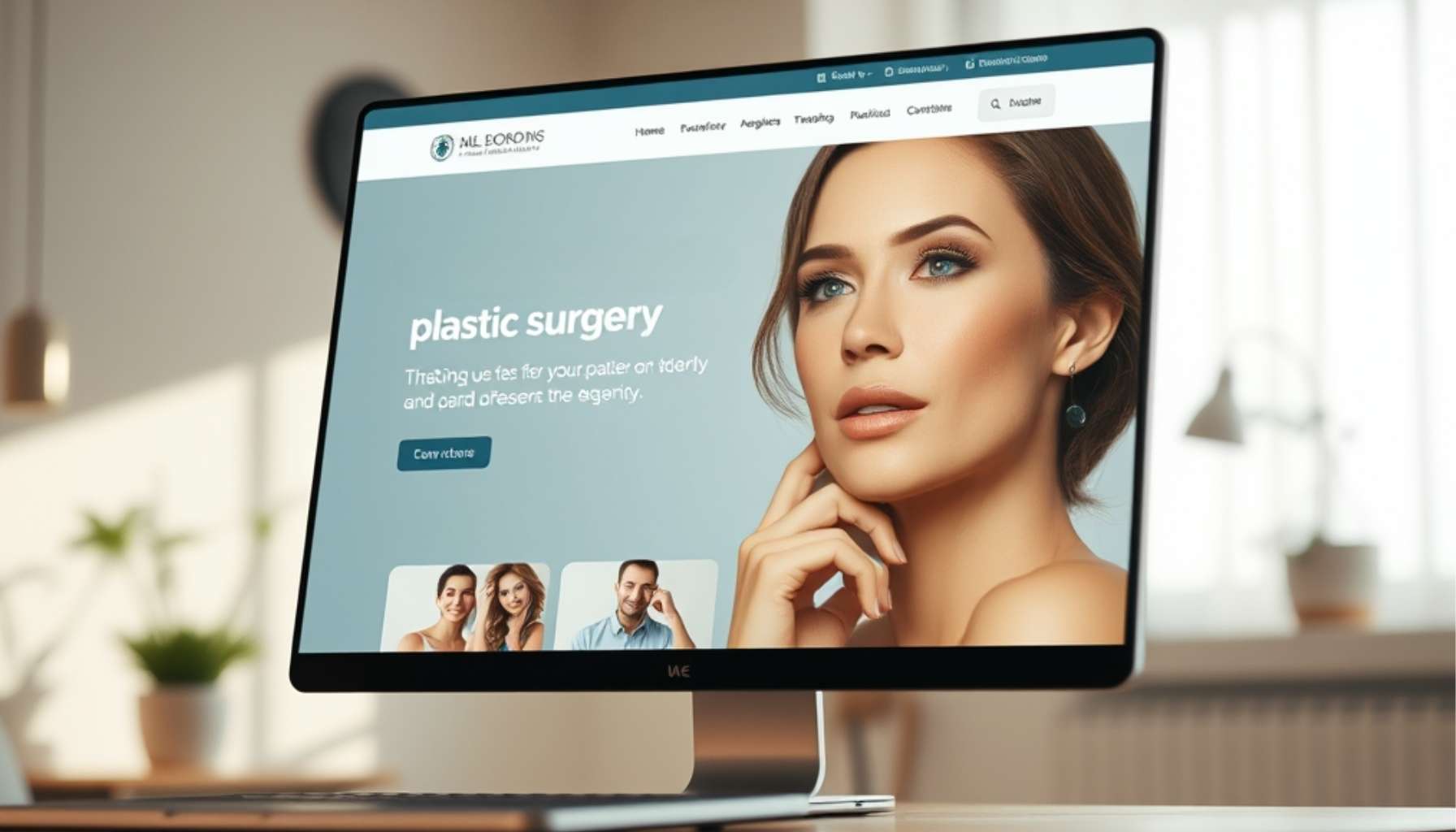
In today’s digital landscape, having a strong online presence is essential for any plastic surgery clinic. Optimizing your website with effective SEO for Plastic Surgery Clinics strategies can help you attract more prospective patients. This blog will guide you through some key SEO techniques specifically tailored for plastic surgery clinics. Find essential tips for keyword usage, technical SEO, link building, and more.
1. What is SEO for Plastic Surgery Clinics?
Search Engine Optimization (SEO) is the practice of improving a website’s visibility on search engines to attract organic (non-paid) traffic. When it comes to SEO for Plastic Surgery Clinics, the goal is to ensure your website appears in search results when potential patients search for relevant terms like “cosmetic surgery near me” or “best plastic surgeon for rhinoplasty.” Since the plastic surgery industry is competitive, clinics must take deliberate steps to differentiate themselves online.
Why SEO Matters for Plastic Surgery Clinics
Unlike other fields, plastic surgery requires trust and credibility before potential patients are ready to schedule consultations. SEO allows clinics to showcase their expertise by ranking higher on search engine results pages (SERPs) for relevant terms, so they reach patients actively searching for procedures they offer. Effective SEO can increase both traffic and conversions, directly leading to growth in patient numbers and overall revenue.
2. Keyword Research for Plastic Surgery SEO
Keyword research forms the foundation of any SEO strategy and is particularly important in fields like plastic surgery where patients use specific search terms related to procedures. Choosing the right keywords ensures that your website appears when potential patients search for the treatments you offer.
Steps for Effective Keyword Research
- Primary Keywords: Start with broad, high-volume keywords that directly describe your services, such as “plastic surgery,” “cosmetic surgery,” and “breast augmentation.” While these keywords are highly competitive, they are crucial to include in your SEO strategy to build your clinic’s online authority.
- Long-Tail Keywords: Long-tail keywords are more specific phrases that capture a user’s intent better than broad terms. Examples for plastic surgery include “affordable rhinoplasty in Miami” or “facelift surgery recovery tips.” Long-tail keywords generally have lower competition, making it easier to rank for them and draw highly qualified traffic to your site.
- Informational Keywords: Patients often research options before choosing a clinic. Terms like “how to prepare for liposuction” or “best recovery tips after tummy tuck” attract people who may not be ready to book yet but are in the research phase. By answering these queries, your clinic becomes a trusted source of information, increasing the chances they’ll choose you when they’re ready.
- Tools for Keyword Research: Utilize tools like Google Keyword Planner, Ahrefs, or Ubersuggest to identify keywords. These tools can reveal which terms are most frequently searched and which keywords your competitors are targeting. Incorporating a balanced mix of primary, long-tail, and informational keywords creates a comprehensive keyword strategy that aligns with all stages of the patient journey.
3. On-Page SEO Essentials
On-page SEO focuses on optimizing the elements on your website’s pages to improve search engine rankings. When implementing SEO for Plastic Surgery Clinics, on-page optimization is crucial because it ensures that each page is designed to meet both user and search engine needs.
Key On-Page SEO Techniques for Clinics
- Title Tags and Meta Descriptions: Title tags and meta descriptions appear in search results, so they should be clear, descriptive, and enticing. The title tag should contain the main keyword and be around 50-60 characters. For example, “Miami’s Top Plastic Surgery Clinic | Expert Cosmetic Procedures.” Meta descriptions should be under 150 characters, provide a summary of the page, and include the keyword.
- Headers and Subheaders: Organize content with headers (H1, H2, H3) and include keywords naturally in some of these headings. For instance, if the page is about “Rhinoplasty Procedures,” you might have subheaders like “What to Expect During a Rhinoplasty” or “Rhinoplasty Recovery Timeline.”
- Image Optimization: Visuals are essential for plastic surgery websites, but they must be optimized for SEO. Use descriptive file names (e.g., “facelift-before-and-after.jpg”), and include alt text for each image with relevant keywords. Alt text like “before and after facelift at Miami clinic” enhances accessibility and helps search engines understand the image content.
- Internal Linking: Internal links connect related content on your site, allowing search engines to better understand your site’s structure. For example, a blog about “Liposuction Preparation” might link to other pages on your site like “Post-Liposuction Recovery” or “What to Expect During Liposuction.” Internal links improve user experience by guiding visitors to helpful content, which can keep them on your site longer.
4. Technical SEO for Clinic Websites
Technical SEO refers to optimizing the backend elements of your website, which can impact user experience, site speed, and search engine crawling and indexing. Ensuring strong technical SEO lays the foundation for effective SEO for Plastic Surgery Clinics by creating a stable and high-performing website.
Core Aspects of Technical SEO for Clinics
- Page Load Speed: A slow-loading website can deter potential patients and negatively impact your search engine rankings. Tools like Google’s PageSpeed Insights can help identify elements that slow down your site. Optimizing images, enabling browser caching, and reducing server response times are all effective ways to improve load speed.
- HTTPS and Security: Secure websites are favored by search engines, and patients are more likely to trust a website that’s safe. Ensure your website has an SSL certificate (displayed as HTTPS in the URL) to encrypt user data and improve credibility. HTTPS is especially crucial for clinics, as visitors may be sharing personal information.
- Schema Markup: Schema is a form of structured data that helps search engines understand the content on your site better. Adding schema for plastic surgery-related services, address, and contact information can enhance your visibility in search results. Schema markup can also result in rich snippets, which display additional information directly on the search results page, helping your clinic stand out.
- Mobile Optimization: With a growing number of users searching for services on mobile, it’s essential that your site is fully responsive. Mobile-friendly websites adapt to different screen sizes, making navigation and reading easier for users on smartphones or tablets. Google also prioritizes mobile-optimized sites, meaning a responsive design can positively impact your rankings.
Implementing these technical SEO practices creates a user-friendly experience and ensures your clinic’s website meets modern search engine standards.
5. Content Strategies to Attract Patients
Content marketing plays a significant role in SEO for Plastic Surgery Clinics. Creating informative, patient-centered content helps establish your clinic as a trusted authority.
- Start a Blog: Post articles about common procedures, recovery tips, and the latest trends in plastic surgery. Not only will this improve your SEO, but it will also attract readers looking for expert guidance.
- FAQs Page: Address frequently asked questions, such as “What is the recovery process for rhinoplasty?” or “How to prepare for a facelift?”
- Case Studies and Patient Testimonials: Share before-and-after images with patient testimonials to help potential clients see the value of your services.
Offering valuable information attracts patients who may be undecided and positions your clinic as a credible resource in the field.
6. Link Building: Building Authority Online
Link building is a powerful SEO strategy for increasing your website’s authority and credibility in the eyes of search engines. By establishing a network of high-quality links, both internally and externally, you improve your clinic’s visibility and increase the likelihood of attracting more prospective patients.
Effective Link Building Strategies for Plastic Surgery Clinics
- Internal Linking: Internal links create a logical structure within your website, guiding visitors from one page to another. They help distribute page authority across your website, making it easier for search engines to crawl and understand your content. For example, you might link a blog post on “The Benefits of Rhinoplasty” to your main rhinoplasty services page. Doing so not only supports SEO but also keeps users engaged and more likely to explore your services.
- Guest Posting on Reputable Sites: Guest posting on reputable sites within the health, beauty, or wellness industry can significantly enhance your clinic’s visibility. By contributing valuable content to other platforms, you build brand authority and tap into new audiences. When guest posting, include a link back to your site, such as a specific service or informative blog post, to drive relevant traffic.
- Submit to Directories and Local Listings: Online directories, particularly those focused on medical and cosmetic practices, are beneficial for local SEO. Registering on platforms like Healthgrades, Yelp, and RealSelf helps build credibility and provides additional opportunities for patients to discover your clinic. Ensure that all business information, such as your clinic’s name, address, phone number, and website URL, is consistent across these listings.
- Collaborate with Influencers and Professionals: Partnering with influencers in the health and beauty space can improve your clinic’s reach and credibility. Influencers with a focus on beauty, skincare, or lifestyle often have dedicated followings interested in aesthetic services. They can create content or testimonials that showcase your clinic, which can boost your online authority. A well-placed link from an influencer’s blog or social media to your website can be incredibly effective.
Link building, when executed thoughtfully, can help establish your clinic as a trusted resource, making it more attractive to potential patients and search engines alike.
7. Optimizing for Local SEO
Local SEO is essential for plastic surgery clinics aiming to attract patients from their specific geographical area. By optimizing your website for local search, you can capture the attention of prospective patients nearby who are actively searching for services you offer.
Steps to Improve Local SEO for Your Clinic
- Optimize Your Google My Business Profile: Google My Business (GMB) is one of the most impactful tools for local SEO. Ensure your clinic’s profile includes up-to-date information, such as hours of operation, phone number, and address. Add high-quality photos of your clinic, services, and staff to provide a welcoming look to potential patients. Regularly post updates, such as new services, promotions, or patient success stories, to keep your profile active and engaging.
- Use Location-Specific Keywords: Incorporate location-based keywords in strategic places on your website, such as “Miami plastic surgery clinic” or “cosmetic surgery in Los Angeles.” Place these keywords in your meta titles, headings, and even image alt texts. This helps search engines connect your clinic with specific geographical searches.
- Create Localized Content: Publishing content relevant to your area builds local authority. You might write blog posts on “Top Trends in Plastic Surgery in Miami” or “What to Know About Plastic Surgery in [Your City]”. Highlighting patient success stories or testimonials from local clients also helps build trust with regional audiences.
- Encourage Patient Reviews on Local Listings: Reviews play a major role in local SEO and influence prospective patients. Ask satisfied patients to leave positive reviews on your Google My Business page, Yelp, and other review sites. Engaging with these reviews, whether positive or negative, demonstrates that your clinic values patient feedback and can enhance credibility.
By improving your local SEO, you’ll position your clinic to show up in relevant search results for nearby patients, giving you a significant edge in attracting clients close to home.
8. Monitoring and Analyzing Your SEO Performance
Consistent monitoring and analysis are crucial for understanding how well your SEO efforts are working. By tracking key metrics, you can assess the effectiveness of your strategies, identify areas for improvement, and stay competitive in the plastic surgery industry.
Key Tools and Metrics to Track Your SEO Progress
- Google Analytics: Google Analytics is a free tool that provides in-depth insights into your website’s performance. Track essential metrics like user behavior, traffic sources, bounce rate, and session duration. For instance, if users are spending little time on your service pages, you may need to revise content to make it more engaging.
- Keyword Ranking Tools: Tools like Ahrefs and SEMrush allow you to monitor your rankings for targeted keywords. Track your clinic’s performance on terms like “best plastic surgeon in [City]” and “cosmetic surgery options.” Knowing where you rank helps you gauge the effectiveness of your content and identify keywords where you need to increase efforts.
- Conversion Metrics: Analyzing conversions—actions such as filling out a contact form or scheduling a consultation—provides insight into whether your SEO efforts are driving real patient leads. High traffic is beneficial, but conversion metrics tell you if that traffic translates into actual business.
- Regular SEO Audits: Conducting regular SEO audits can reveal opportunities for improvement, such as fixing broken links, updating outdated content, or improving page load speed. An audit can be done quarterly and ensures your site remains aligned with the latest SEO standards.
Regular analysis of these key metrics ensures your SEO strategies are data-driven and can adapt to evolving trends, helping your clinic maintain a competitive online presence.
Final Thoughts
Implementing and maintaining effective SEO for Plastic Surgery Clinics strategies can substantially increase your clinic’s visibility and attract a steady stream of new patients. By prioritizing content, optimizing technical aspects, focusing on local SEO, and tracking your performance, you set your clinic up for sustainable growth in the digital space.
If you want expert support to streamline your SEO and marketing efforts, Clinic Sculpt offers tailored consulting services for aesthetic practices and plastic surgery clinics. Whether you need assistance with keyword research, optimizing your Google My Business profile, or creating engaging content, our team can provide actionable insights and strategies to help you grow your practice and attract more patients online. Don’t wait to enhance your digital presence—partner with Clinic Sculpt today and take your clinic’s online success to the next level!